Kaiduan
KAIDUANTEESOOD.COM
← All articles

Land and Building Tax in Thailand: Rates, Calculation Methods, and Essential Guide for Property Owners

Comprehensive guide to Thailand land and building tax, including tax rates, calculations, exemptions, and key insights for property owners.

Land and Building Tax in Thailand: Rates, Calculation Methods, and Essential Guide for Property Owners

What Is Land and Building Tax

What Is Land and Building Tax

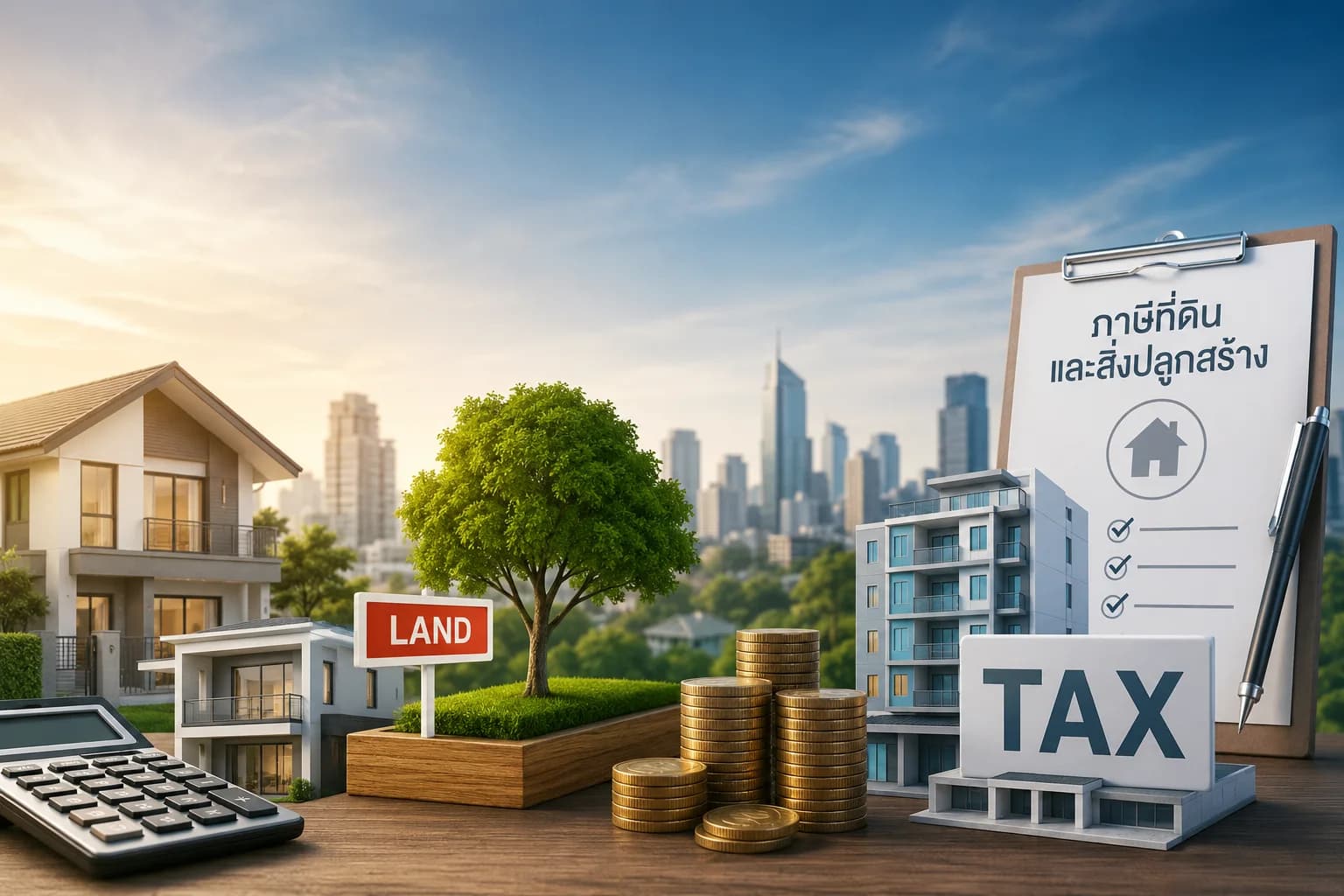
Land and Building Tax is a local tax imposed under Thailand's Land and Building Tax Act B.E. 2562 (2019). It replaced the former House and Land Tax and Local Development Tax systems. The objective is to create a fairer property taxation framework and encourage efficient land utilization.

The tax applies to landowners, building owners, and certain possessors as defined by law. Local administrative organizations such as municipalities, subdistrict administrative organizations, and the Bangkok Metropolitan Administration are responsible for collecting the tax.

The tax is assessed based on the appraised value determined by the Treasury Department and the property's actual use, such as residential, agricultural, commercial, industrial, or vacant land.

Main Objectives

  • Promote efficient land use
  • Generate revenue for local governments
  • Discourage land speculation
  • Create a fair property taxation system

Property owners should understand these rules to manage finances and investment strategies effectively.
Properties Subject to Tax

Types of Taxable Properties

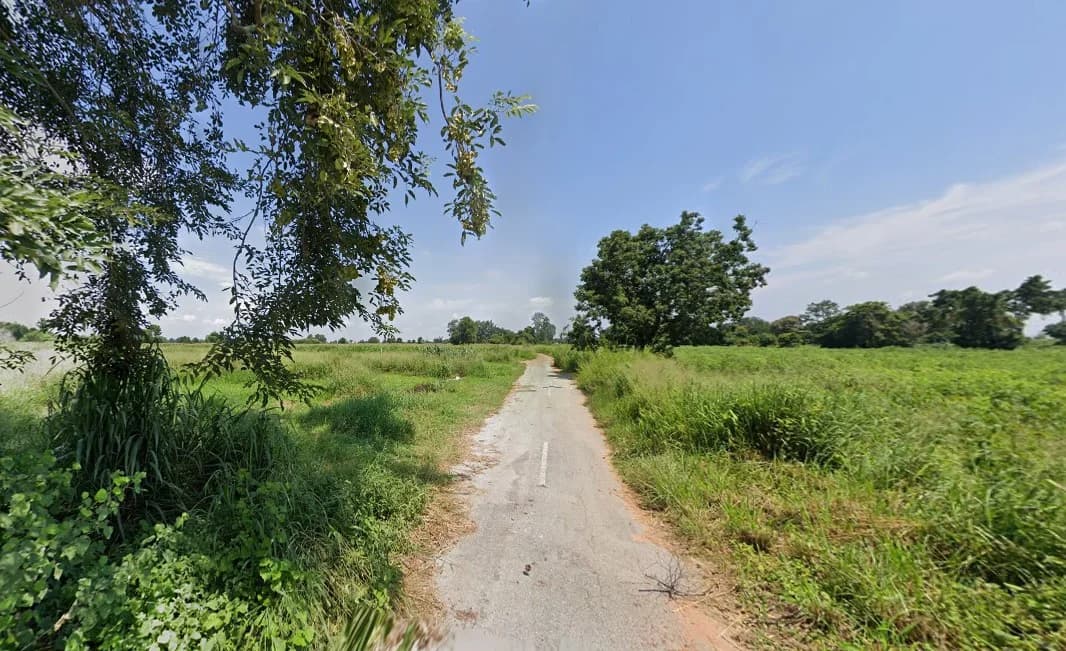
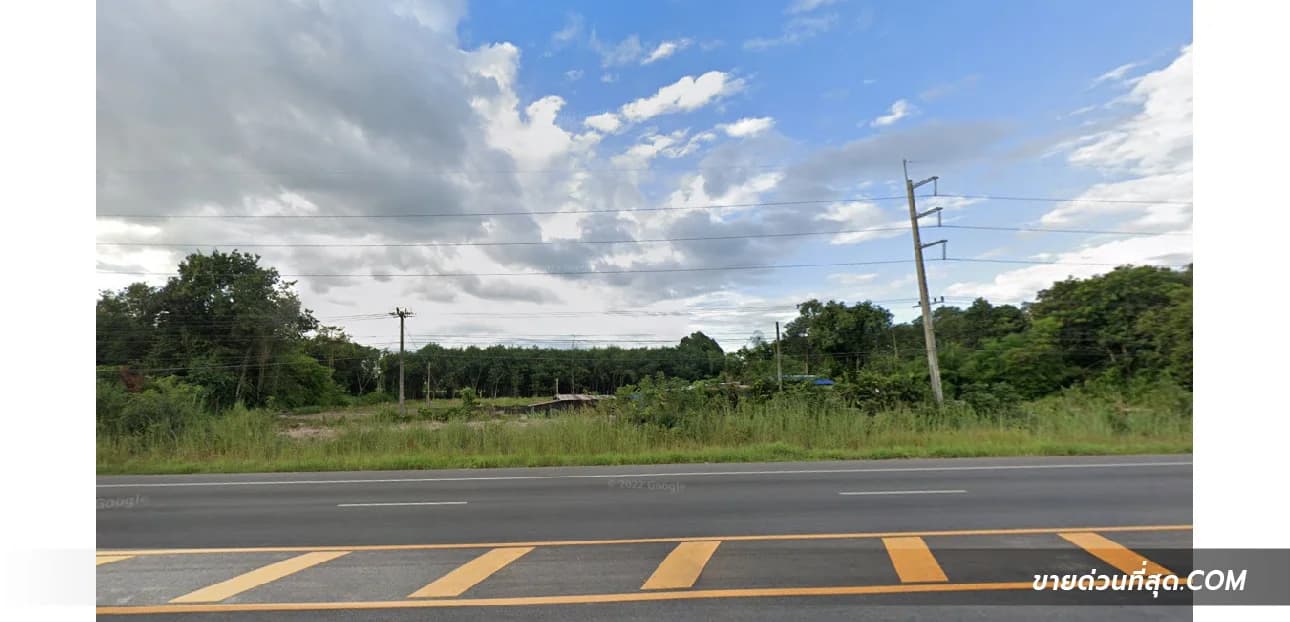
Land and Building Tax covers a wide range of properties, including vacant land, houses, condominiums, commercial buildings, factories, and business-related properties.

Main Usage Categories

  • Agricultural use
  • Residential use
  • Commercial and other uses
  • Vacant or unused land

The classification significantly affects tax liability. Properties with similar values may face different tax burdens depending on their actual use.

Owners should evaluate tax implications before changing property usage, as such changes may alter applicable tax rates.

Land and Building Tax Rates

Tax Rates by Property Use

Thailand's land and building tax follows a progressive rate structure based on property value and actual usage.

  • Agricultural properties: up to 0.15%
  • Residential properties: up to 0.30%
  • Commercial and other uses: up to 1.20%
  • Vacant land: up to 3.00%

Tax relief measures may vary from year to year. Property owners should verify current regulations with relevant authorities.

Understanding tax rates helps investors estimate long-term holding costs and improve investment planning.

How to Calculate Land and Building Tax

Tax Calculation Method

The basic calculation is straightforward: Property Value × Applicable Tax Rate = Tax Payable.

The assessed value includes both land and buildings. The applicable rate depends on the property's actual use category.

Additional factors such as exemptions, progressive brackets, and government relief measures may affect the final tax amount.

Required Information

  • Official appraised value
  • Property use category
  • Ownership status
  • Applicable exemptions or relief measures

Property owners should verify the latest rules before estimating tax obligations.

Tax Exemptions and Reliefs

Tax Exemptions and Relief Programs

Certain properties may qualify for tax exemptions or reductions, especially owner-occupied residential properties that meet legal requirements.

The government may also introduce temporary relief measures, including tax reductions or payment extensions during specific periods.

  • Legal tax exemptions
  • Annual relief programs
  • Installment payment options
  • Appeal rights for disputed assessments

Property owners should stay informed about current regulations and relief opportunities.

Payment Deadlines and Penalties

Payment Obligations and Penalties

Local authorities issue annual tax assessment notices. Property owners must pay within the prescribed period.

Late payments may result in penalties, surcharges, or legal enforcement actions, increasing the overall cost of ownership.

  • Review assessment notices annually
  • Pay taxes on time
  • Keep payment records
  • Exercise appeal rights when necessary

Proactive tax planning helps minimize financial and legal risks.

Impact on Real Estate Investment

Investment Considerations

Land and Building Tax represents an ongoing holding cost that investors must factor into investment decisions.

Unused properties may face higher tax burdens than actively utilized assets. Strategic use of property can improve overall investment efficiency.

  • Calculate long-term holding costs
  • Evaluate after-tax returns
  • Optimize property usage
  • Monitor regulatory changes

Effective tax planning contributes to stronger long-term investment performance.

Conclusion and Recommendations

Final Thoughts

Land and Building Tax is a critical consideration for all property owners in Thailand. Tax obligations depend largely on property value and actual usage.

The long-term trend points toward encouraging productive land use and discouraging speculative holding of unused land. Investors and homeowners should therefore integrate tax planning into their overall property strategy.

Property owners should regularly monitor official announcements, review updated appraised values, and verify current tax rules, exemptions, and relief measures with relevant authorities before making investment decisions.

Recommended properties

View all

For property owners

Need to sell your
property fast?

Contact Realist Estate for free advice, a preliminary valuation, and help finding the right buyers.

Free

no upfront fees

4

simple steps

100%

expert support

Homeowner handing over keys after a successful sale
Valuation
Buyers
List fast
Free consult